
Is Root Canal Painful? The Ultimate Modern Guide
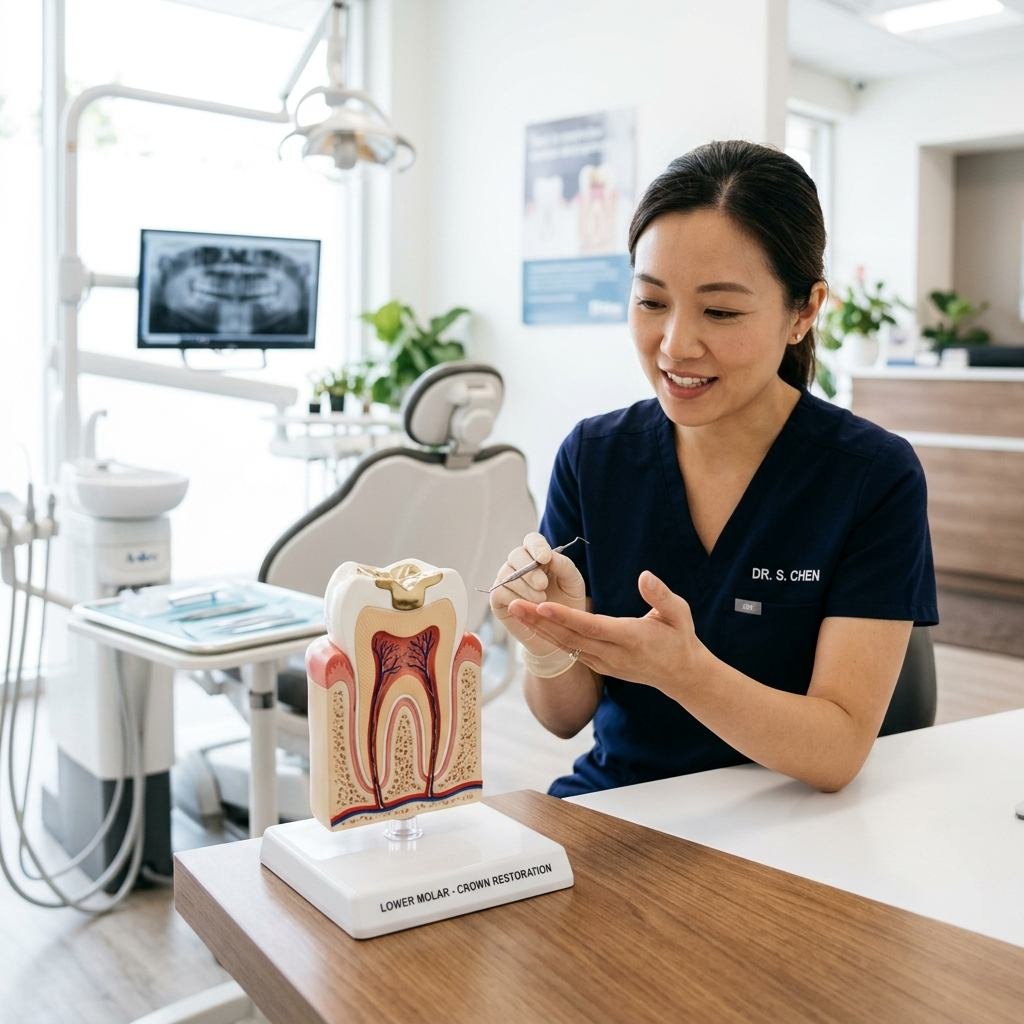
If your dentist has just told you that you need a Root Canal Treatment (RCT), your immediate reaction might be anxiety. The root canal has historically had a reputation as a painful, uncomfortable procedure. But is it really painful in 2026?
The short answer is no. Thanks to modern dental technology, advanced anesthesia, and specialized techniques, getting a root canal is now no more uncomfortable than receiving a standard dental filling. Let's look at why root canals get a bad reputation and how modern dental care makes it completely stress-free.
What Actually is a Root Canal?
A root canal is a dental procedure designed to save a severely damaged or infected tooth. Inside your tooth is a soft tissue called pulp, which contains nerves and blood vessels. When decay or an injury reaches this pulp, it becomes inflamed and infected. This infection is what causes the throbbing pain. During a root canal, the dentist removes the infected pulp, cleans and disinfects the canal, and seals it to prevent future infections.
Why Modern RCT is Painless
1. Advanced Local Anesthetics
Before starting, the dentist numbs the affected area completely. Modern anesthetic agents are highly effective and fast-acting. You might feel a tiny pinch during the injection, but once the numbing agent takes effect, you will not feel any pain.
2. Rotary Endodontics
In the past, dentists cleaned out root canals manually using small hand files, which could be slow and noisy. Today, we use rotary endodontics—flexible nickel-titanium tools driven by quiet electric motors. This technology allows us to navigate the root canals faster, smoother, and with incredible precision.
3. Apex Locators
Digital apex locators tell us the exact length of your tooth's root canals in real time. This means fewer x-rays during the procedure and zero guesswork, making the treatment much faster and avoiding any contact with sensitive tissues beneath the root.
What to Expect After the Treatment
Once the anesthesia wears off, you might feel some mild tenderness in the area for a few days. This is normal and is caused by tissue inflammation around the treated tooth. It can easily be managed with over-the-counter pain relievers prescribed by your dentist.
Most teeth that undergo a root canal will eventually require a dental crown (cap) to restore their structural strength, as removing the pulp makes the tooth somewhat more brittle.
Also read: 5 Easy Tips to Keep Your Child's Teeth Cavity-Free · Clear Aligners vs. Braces: Which is Best for You?
Are you experiencing tooth pain?
Do not delay treatment. An early dental check-up can save your natural tooth. Book a free consultation today.
Book a Free Consultation